
As the population ages, ensuring comfort and independence during sleep becomes increasingly important for seniors. Various sleeping solutions, such as adjustable beds and supportive mattresses, can greatly enhance their quality of rest.
Additionally, assistive accessories and safety features play an essential role in facilitating ease of movement. Understanding these options can lead to better sleep outcomes and improved well-being.
What specific solutions can truly make a difference in the lives of older adults?
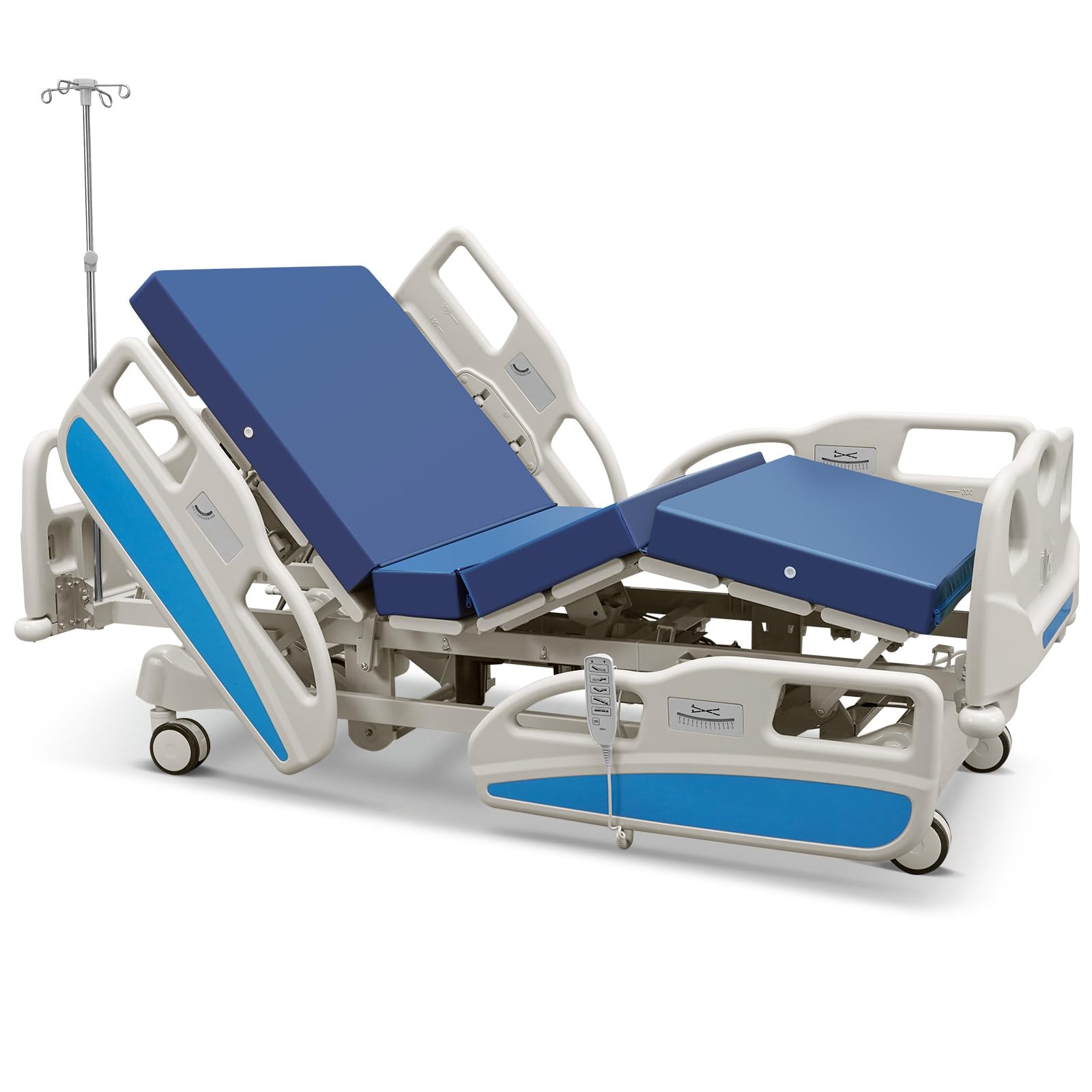
Adjustable beds offer numerous advantages for seniors, particularly when it comes to enhancing comfort and promoting better health. These beds allow users to elevate their heads or feet, which can alleviate common issues such as acid reflux, sleep apnea, and swelling in the legs.
By adjusting the bed's position, seniors can find their ideal sleeping posture, leading to improved sleep quality and reduced discomfort. In addition, the ease of adjusting the bed can help those with mobility challenges, allowing them to get in and out of bed more independently.
This independence can greatly enhance their overall quality of life. Additionally, adjustable beds can accommodate various activities, such as reading or watching television, making them a versatile choice for seniors seeking comfort and support.
Choosing the suitable mattress is essential for seniors seeking ideal support and comfort while sleeping. A mattress that balances firmness and softness can alleviate pressure points, which is imperative for individuals with limited mobility. Memory foam and latex mattresses are popular choices, as they contour to the body while providing adequate support.
Additionally, seniors should consider mattress height to guarantee easy accessibility from a seated position. It is also important to look for hypoallergenic materials to mitigate allergies or sensitivities, thereby promoting a healthier sleeping environment.
Finally, testing the mattress in-store, if possible, allows seniors to gauge comfort levels and make informed decisions. Selecting the right mattress contributes considerably to a senior's overall well-being and sleep quality.
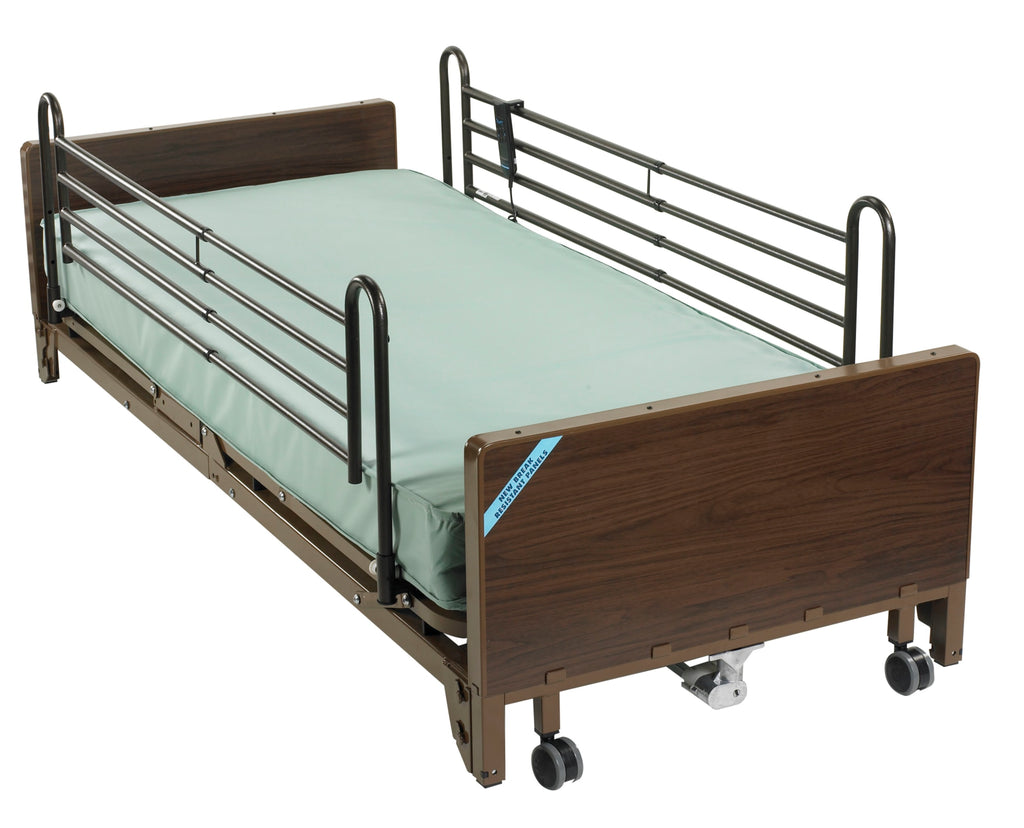
While selecting the right mattress is essential, the incorporation of assistive bedding accessories can additionally enhance comfort and support for seniors with mobility limitations. Items such as adjustable bed bases allow for personalized positioning, making it easier for seniors to get in and out of bed.
Specialized pillows can provide additional neck and spine support, reducing discomfort during sleep. Bed wedges may assist in elevating the legs, improving circulation and alleviating pressure. Moreover, hypoallergenic mattress protectors safeguard against allergens, ensuring a healthier sleep environment.
Consideration of these accessories not only improves sleep quality but also promotes independence, allowing seniors to manage their rest more effectively. Ultimately, these enhancements play a crucial role in fostering a comfortable sleeping experience.
To enhance safety for seniors with mobility challenges, the installation of bed rails and grab bars can provide essential support and stability. Bed rails, typically mounted on either side of the bed, help individuals shift in and out of bed safely, reducing the risk of falls.
They can also serve as a helpful anchor for those who may struggle with balance. Grab bars, installed in bathrooms and other key areas, facilitate secure gripping and support during movements, such as standing or transferring.
Together, these safety features contribute to a more secure living environment, promoting independence while minimizing the risk of injuries. Ensuring proper installation and regular maintenance of these aids is vital for maintaining their effectiveness and reliability.

Sleep positioning aids play an indispensable role in enhancing comfort for seniors with mobility challenges, as they help maintain ideal body alignment during rest. These aids, which include wedges, cushions, and specialized pillows, support various sleep positions, reducing pressure on joints and promoting better circulation.
By utilizing these tools, seniors can experience less discomfort and a more restful sleep, which is vital for overall health and well-being. Additionally, sleep positioning aids can assist in minimizing the risk of complications such as pressure sores and musculoskeletal pain.
When tailored to individual needs, these aids can markedly improve sleep quality, allowing seniors to wake up feeling refreshed and ready to engage in daily activities with greater independence.
Creating a sleep-friendly environment for seniors is essential, as it greatly impacts their ability to achieve restorative rest. Key elements include maintaining a dark, quiet, and cool room, which promotes relaxation and minimizes disturbances. Comfortable bedding, including supportive mattresses and pillows tailored to individual needs, enhances sleep quality.
Seniors should also consider using adjustable bed frames to find their ideal sleeping position. Additionally, incorporating calming colors and reducing clutter can create a serene atmosphere. Limiting screen time before bed and establishing a consistent bedtime routine further supports healthy sleep patterns.
Finally, ensuring easy access to essential items, like water and medication, can alleviate nighttime stress, ultimately fostering independence and improving overall well-being for seniors.
Diet greatly influences sleep quality in seniors. A balanced intake of nutrients, such as magnesium and tryptophan, can enhance sleep. Foods rich in antioxidants and omega-3 fatty acids may also promote better rest. Conversely, excessive consumption of caffeine or sugar can disrupt sleep patterns, leading to insomnia. Additionally, large meals before bedtime can cause discomfort, making it harder to fall asleep. As a result, mindful dietary choices play an essential role in improving sleep quality for seniors.
Caregivers can assist seniors facing sleep challenges by establishing a consistent bedtime routine, creating a calming sleep environment, and encouraging relaxation techniques such as deep breathing or gentle stretches. They should monitor medications for side effects that may disrupt sleep and promote physical activity during the day to improve rest at night. Additionally, caregivers can provide emotional support, engaging in conversations to alleviate anxieties that may interfere with restful sleep.
Seniors should consider replacing their mattress every seven to ten years, depending on its condition and comfort level. Over time, mattresses can lose support and develop wear, which can negatively affect sleep quality. Signs that a mattress needs replacement include sagging, lumps, or increased discomfort during rest. Regularly evaluating the mattress can guarantee ideal support and comfort, contributing to better overall health and well-being for seniors as they age.